
RENOWNED FOR OLD HAVELIS AND MOSQUES
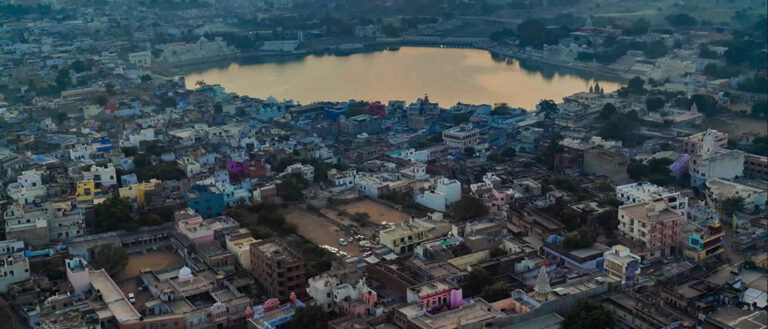
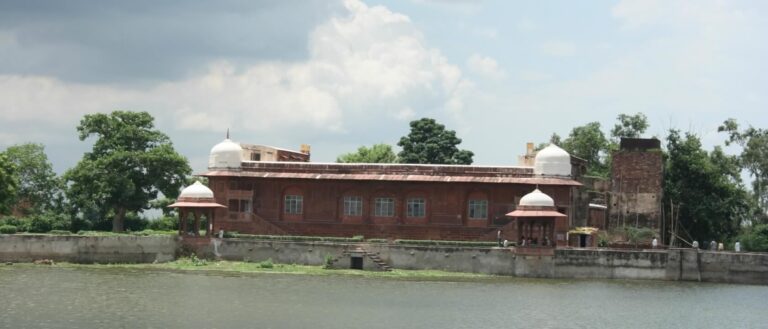
A small town near the city of Jaipur, Tonk is one of the most interesting places in Rajasthan and is renowned for its old havelis and mosques. This elegant town of Jaipur was once ruled by the Pathans of Afghanistan. The ancient town takes pride in its beautiful architectural wonders, established during the Mughal era. The Nawab of Tonk was very fond of literature and built a large library of Persian and Arabic manuscripts. Founded in the 17th century, the town of Tonk serves as a host to several mansions, mosques and British colonial buildings. This cross-cultural town is a mixture of Rajput buildings and Muslim architecture, which sets this town apart from others. Rich in cultural heritage and magnificent structures, Tonk attracts tourists from all over the world.
This historic city formed a part of Harsha Vardhan’s empire during which the Chinese traveller Fa-Hien visited India. The King of Jaipur, Raja Man Singh conquered Tari and Tokra Janpad, during the Akbar regime. 12 villages of Tokra Janpad were given away to Bhola Brahmin in the year 1643. Later, the name ‘Tonk’ was given to these twelve villages by Bhola. Connected to the Bairath culture and civilization, Tonk has a rich historical backdrop. The modern town of Tonk was founded by Nawab Amir Khan. Formerly a princely state, it became a part of Rajasthan in 1948. Tonk is often described as Rajasthan ka Lucknow, Adab ka Gulshan, Romantic poet Akhtar Shreerani ki Nagri, Meethe Kharboojo ka Chaman and Hindu Muslim Ekta ka Maskan. A historical town of archaeological significance, Tonk is an absolute delight for any tourist who visits this town.
SUNEHRI KOTHI
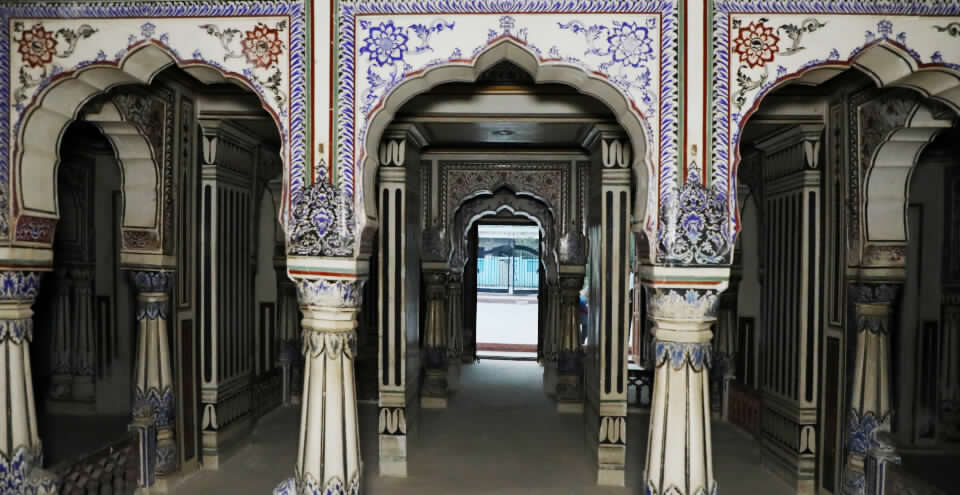
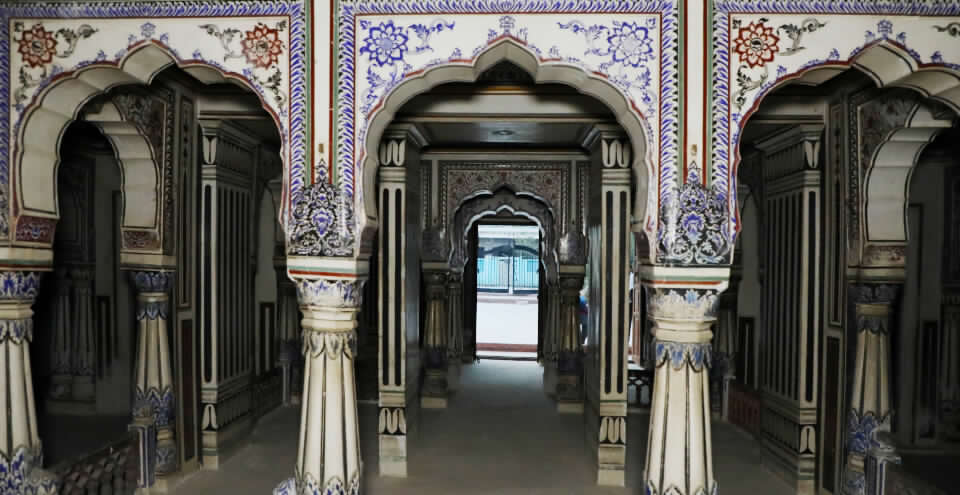
The main attraction of Tonk is the 19th century Sunehri Kothi or the Golden Mansion, situated near Bada Kuan on Najar Bagh Road. The building seems to be rugged and ordinary from its exteriors but a glimpse of its royal golden coloured interiors does absolute justice to its name. Sheesh Mahal, or the glass hall of Sunehri Kothi, is adorned with the amazing glass and floral work along with exquisite samples of Meenakari work that are sure to leave spellbound. Sunehri Kothi has been declared as an important historical monument by the Government of Rajasth
THE ARABIC AND PERSIAN RESEARCH INSTITUTE
The Arabic and Persian Research Institute Rajasthan, Tonk is located in the heart of the Tonk city in the valley of two historical hills of Rasiya and Annapoorna. The Institute has a beautiful Art gallery, started in the year 2002, with an impressive display of magnificent arts and beautiful calligraphic designs that are open to the visitors. The Institute houses some of the oldest collection of books and manuscripts in Persian and Arabic, which were studied by the Nawabs back in the 12th century. Some of the ancient books here are beautifully adorned in gold, emerald, pearls and rubies.

HAATHI BHATA
Situated around 20-30 kilometres from the Tonk- Sawai Madhopur Highway is the Hathi Bhata. Carved out from a single stone, as the name suggests, it is a magnificent elephant, and quite a popular tourist attraction. Constructed by Ram Nath Slat during the reign of Sawai Ram Singh, this monument bears an inscription that narrates the story of Nala and Damayanti.
BISALDEO TEMPLE
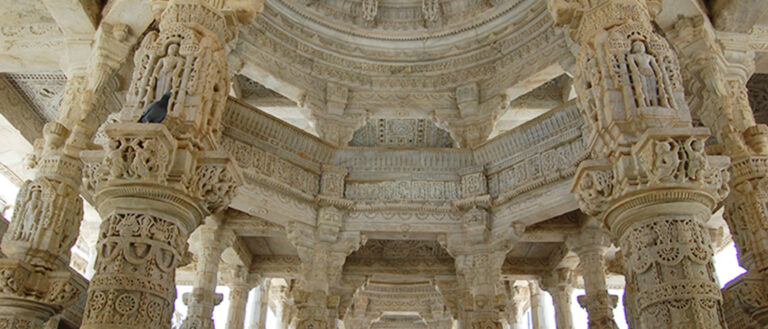
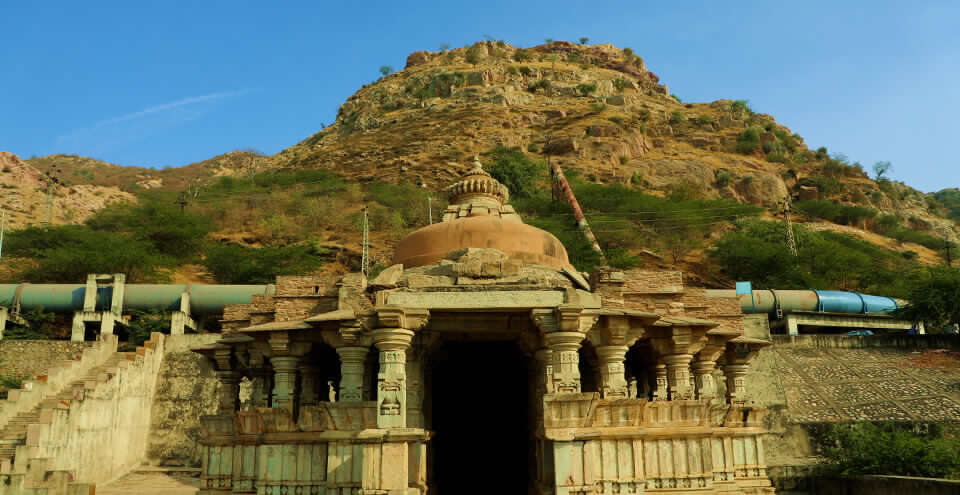
Bisalpur, located around 60-80 kilometres from Tonk, was founded by the Chahamana ruler Vigraharaja IV in 12th century A.D. Bisalpur is considered very important due to the temple of Gokarnesvara, also known as Bisal Deoji’s temple. It was constructed by Vigraharaja IV, who was an ardent devotee of Gokarna. The inner sanctum of the temple enshrines a Shiva linga. The temple has a hemispherical dome, supported on eight tall pillars sporting floral carvings.